Hotels, luxury resorts, boutique accommodation properties, and premium hospitality developments increasingly use glass to create attractive interior environments.
From decorative entrance panels and branded partitions to reception displays and customized bathroom features, glass plays an important role in shaping the visual identity of hospitality spaces.
A modern glass machine helps manufacturers process suitable glass components according to specified architectural and decorative requirements.
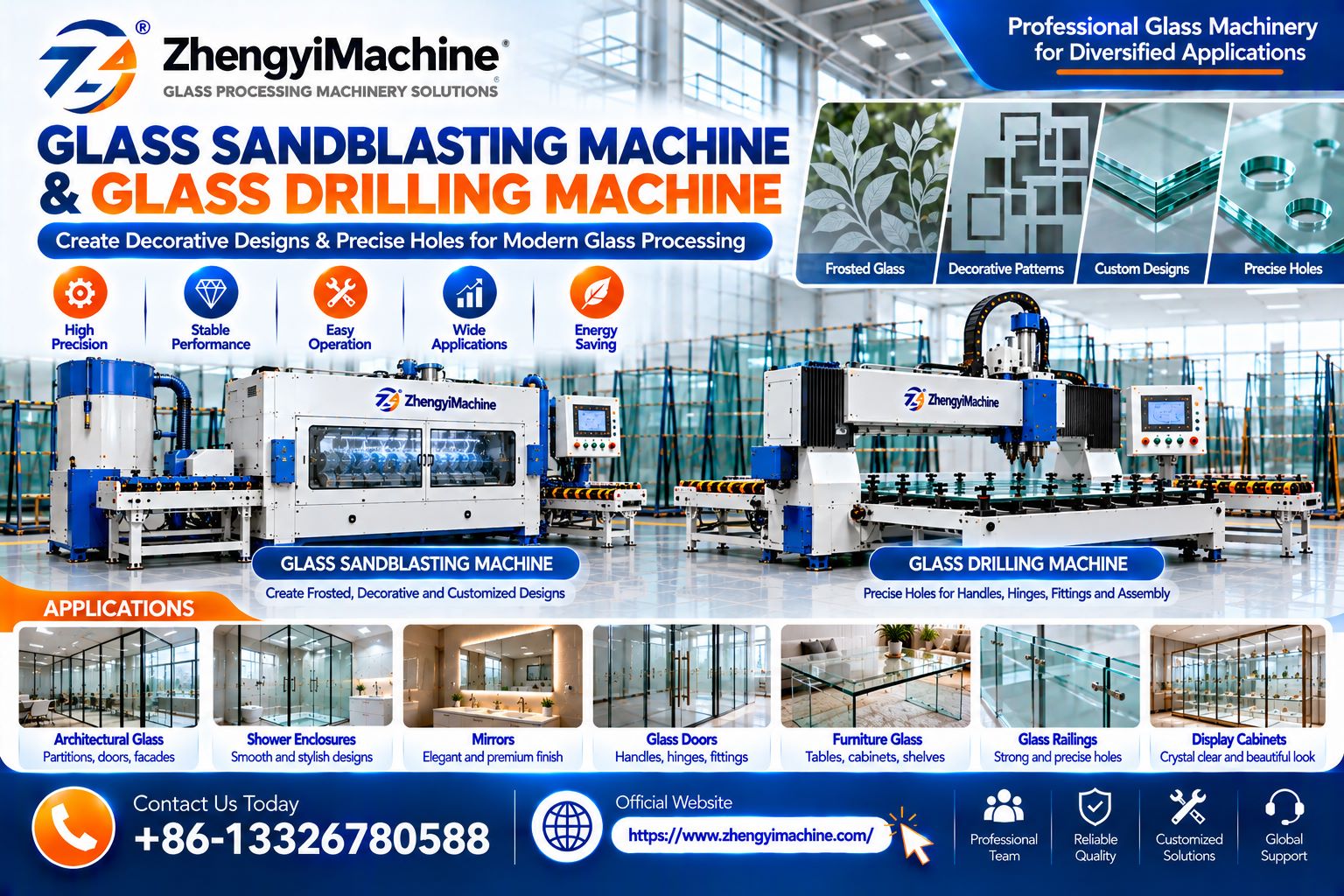
A Glass Sandblasting Machine creates frosted patterns, decorative textures, and customized surface treatments that can enhance privacy and visual appeal.
Meanwhile, a Glass Drilling Machine produces accurately positioned openings for compatible fittings, handles, and mounting systems.
Together, these technologies provide opportunities for glass fabricators to support hospitality projects that require both distinctive design and reliable manufacturing accuracy.
Why Hotels Are Investing in Customized Glass Features
Hospitality properties aim to create interiors that communicate their identity while providing a comfortable environment for guests.
Standard glass panels may not always meet the design expectations of premium developments.
Customized processing allows designers to incorporate decorative patterns, visual branding, and functional features into selected glass installations.
Common applications include:
- Reception areas: Decorative glass panels featuring suitable branding elements.
- Guestroom interiors: Privacy-enhancing glass partitions and bathroom screens.
- Restaurants: Customized decorative dividers and glass features.
- Conference facilities: Branded glass panels and suitable partition systems.
- Luxury suites: Specialized architectural glass with approved decorative finishes.
These applications require careful coordination between designers, fabricators, and installation teams.
Glass Sandblasting Machine Supports Hotel Brand Identity
A Glass Sandblasting Machine uses controlled abrasive treatment to create textured or frosted finishes on compatible glass surfaces.
For hospitality interiors, this process can help manufacturers produce decorative patterns that complement a property’s architectural style.
For example, a hotel reception area may feature glass panels with geometric patterns inspired by the surrounding interior design.
A restaurant may incorporate frosted decorative sections into approved glass dividers, while a guestroom bathroom may use a suitable surface treatment to achieve partial visual privacy.
A practical design principle explains:
However, sandblasting is not suitable for every glass product.
Manufacturers must assess glass type, surface strength, treatment requirements, and relevant safety specifications.
Glass Drilling Machine Supports Precision Interior Installation
Decorative glass must also meet practical installation requirements.
A Glass Drilling Machine creates accurately positioned holes in suitable glass panels for approved mounting hardware and other compatible fittings.
This capability is important for hospitality projects involving specialized glass assemblies.
Bathroom Glass Screens
Selected glass screens may require drilled openings for approved hinges, brackets, or handles.
Reception Displays
Decorative glass panels may use suitable mechanical mounting arrangements that require precise fabrication.
Conference Room Partitions
Certain partition designs incorporate compatible hardware connections requiring specified hole positions.
Restaurant Interior Features
Specialized glass elements may need accurately located openings for approved support systems.
Hole dimensions, edge distances, and positioning must follow appropriate engineering drawings.
Incorrect drilling may create installation difficulties or compromise the intended product.
Coordinating Decorative Finishes With Installation Hardware
Hospitality glass projects frequently involve collaboration between interior designers and technical fabrication teams.
A decorative pattern may look attractive in a design drawing but require adjustment to accommodate mounting hardware.
For example, a frosted decorative panel may include fittings that must remain accessible and visually consistent with the surrounding design.
Manufacturers should therefore confirm both surface-treatment specifications and drilling requirements before production.
An important manufacturing observation states:
Approved technical drawings help establish clear requirements for pattern placement, hole dimensions, material selection, and installation compatibility.
Why Sample Approval Matters in Premium Hotel Projects
Hospitality developments may require numerous glass panels featuring matching patterns and finishes.
Maintaining visual consistency is particularly important when components appear throughout a property.
A representative sample can help designers evaluate surface texture, transparency, decorative appearance, and hardware compatibility.
Sample assessment may include:
- Confirming approved glass dimensions and thickness.
- Reviewing decorative pattern placement.
- Checking drilling accuracy and edge condition.
- Evaluating the appearance under intended lighting.
- Verifying compatibility with specified mounting arrangements.
Once approved, the sample provides a useful reference for subsequent manufacturing inspections.
However, sample approval does not replace technical compliance verification.
Glass Surface Durability Influences Hospitality Maintenance
Hotels require interior materials that can withstand appropriate cleaning and routine use.
Glass surfaces may come into contact with cleaning products, fingerprints, moisture, and other environmental conditions.
Sandblasted finishes can have different surface characteristics from untreated glass, potentially influencing cleaning requirements.
Manufacturers should therefore provide appropriate material-care information.
For bathroom installations, the suitability of surface treatments and hardware must be evaluated against moisture exposure and maintenance requirements.
Decorative appearance should never override material compatibility or applicable safety standards.
Processing Sequence Is Essential for Reliable Fabrication
Glass manufacturing operations must follow a sequence appropriate to the selected material.
Drilling, edge processing, decorative treatment, and thermal strengthening may have specific technical limitations.
For conventional fully tempered glass, required drilling is generally completed before tempering because subsequent machining can cause breakage.
Sandblasting must also be assessed for its potential effect on surface strength.
Manufacturers should confirm the approved processing sequence before releasing components into production.
A professional engineering review helps avoid incompatible manufacturing operations.
Glass Machine Selection for Hospitality Manufacturing
Glass processors serving hotel and interior-design projects should evaluate equipment according to their intended products.
Important considerations include supported glass dimensions, treatment capabilities, drilling accuracy, production consistency, and operator safety.
A suitable glass machine should also provide appropriate maintenance access and clear operating documentation.
For sandblasting operations, effective dust containment and suitable abrasive selection are essential.
Drilling equipment requires appropriate tooling, material support, and processing controls.
The preferred machinery should match the manufacturer’s actual production needs rather than advertised capacity alone.
Industry Outlook: Customized Glass Strengthens Hospitality Design
Specialized glass fabrication can help hospitality designers achieve distinctive interiors while meeting practical installation requirements.
Decorative sandblasting offers design flexibility, while precise drilling supports compatible architectural connections.
The broader opportunity lies in combining manufacturing accuracy with consistent brand presentation and suitable material performance.
For glass processors, collaboration with designers and technical specialists remains essential to delivering successful hospitality projects.
Frequently Asked Questions (FAQs)
1. What is a glass machine used for in hotel interior design?
A glass machine performs specialized manufacturing operations such as cutting, drilling, grinding, polishing, washing, or decorative surface treatment, depending on its configuration.
2. How does a Glass Sandblasting Machine support hospitality design?
A Glass Sandblasting Machine creates frosted or textured finishes that can support decorative patterns, hotel branding, and selected privacy requirements.
3. Why is a Glass Drilling Machine important for glass installations?
A Glass Drilling Machine produces accurately positioned holes for approved handles, brackets, hinges, and other compatible mounting hardware.
4. Can sandblasted glass be used in hotel bathrooms?
Yes, when the glass type, surface treatment, installation design, and maintenance requirements are appropriate for the intended bathroom environment.
5. What should manufacturers consider before purchasing glass-processing machinery?
Manufacturers should evaluate glass compatibility, processing accuracy, decorative capabilities, safety features, maintenance requirements, and technical support.
Media Contact
Department: Sales, Product Information & Media Enquiries
Industry: Glass Processing Machinery, Sandblasting & Drilling Equipment
Contact: +86-13326780588
Email: zhengyi@zhengyi.cc
Official Website: https://www.zhengyimachine.com/